TEACHING BEYOND THE LESSON PLAN
By: Dr. Derrick Mueller
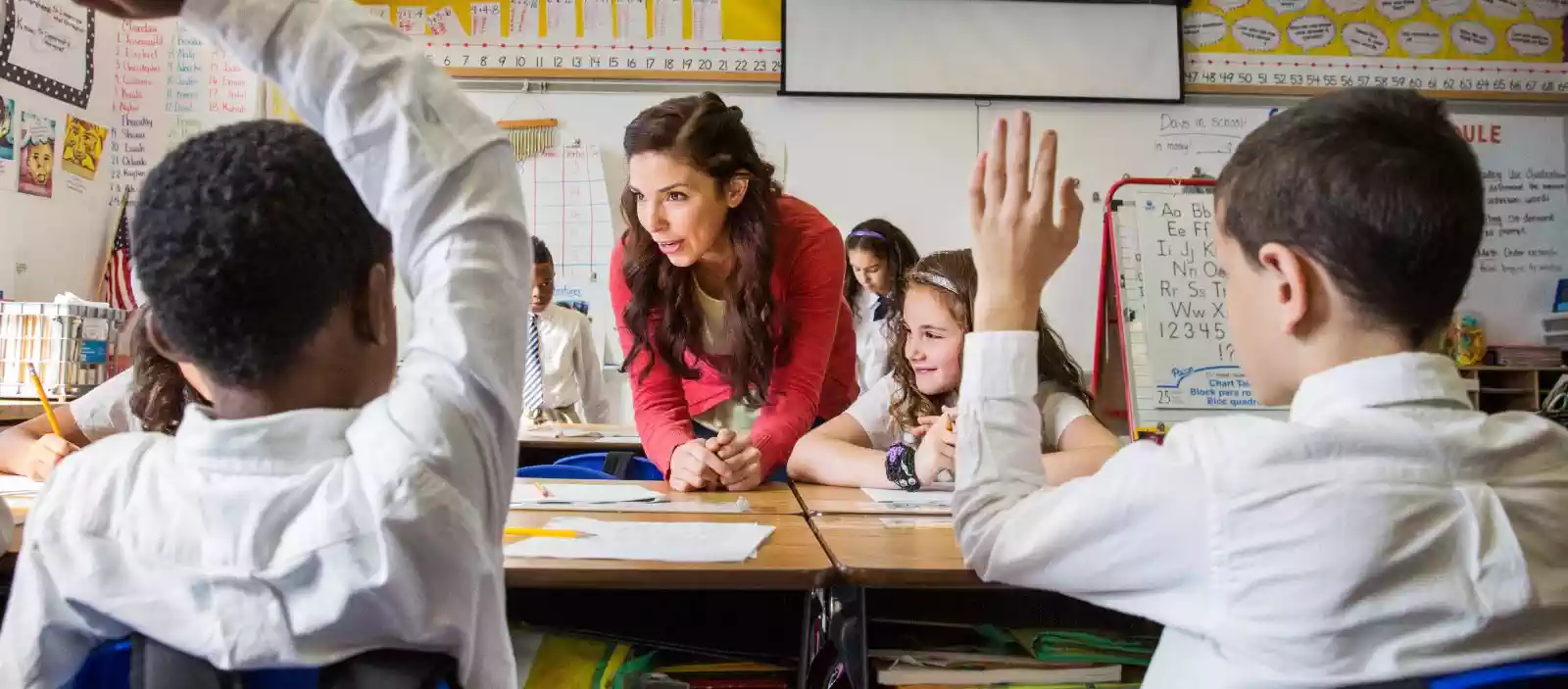
In every Christian classroom there are students who arrive with stories they never say out loud—stories of being moved, judged, labeled, or left. Some have heard, in words or in silence, “you can’t.” And some will go on to do exactly what they were told they couldn’t… because one adult in a school chose to stay, to see them, and to believe in them.
As Christian educators we are not only delivering curriculum. We are stewarding image-bearers. We are planting seeds we may never see harvested. The following 10 practices are not theory; they are the habits of teachers whose presence became ministry, whose classrooms became places of grace.
Key Verse: “Let us not grow weary in doing good, for in due season we will reap, if we do not give up.” — Galatians 6:9
1. Your Words Stay With Them
Students remember what we say, even the comments we forget by the end of the day. A careless word can wound for years, but a kind word can become the reason a student keeps trying. In a Christian school, our words carry the weight of our witness. Speak as if they will carry your words forever, because they often do.
2. "Slow" Often Means "Different"
Learning disabilities and language struggles are not signs of low intelligence, only different ways of thinking and processing. What makes school hard today may become a student’s greatest strength tomorrow, because finding another way around a problem builds creativity and resilience. God gifts His children diversely. Look for their strength, not just their struggle.
3. Belonging Comes First
Students don’t get their lives together and then find community; they find a team, a club, a group that accepts them, and then they begin to grow. The student who lingers after class or practice is often looking for family, not just an activity. In our schools, belonging is a doorway to discipleship. Let them in.
4. Time Beats Judgment
Judging a student only labels them, but spending time with them changes them. We do not have to fix a child’s whole life to make an eternal difference; we only have to be the person who notices and doesn’t walk away. Ten minutes after class can matter more than any lesson plan.
5. You’re Teaching a Future Adult
The difficult child in front of you today may be the teacher, pastor, parent, or leader of tomorrow. One day they may stand in front of others and say, “I was you,” because someone once believed in them. Teach the adult they will become, not just the child you see now.
6. Discipline Builds Confidence
Sports, music, art, and routines give students a way to succeed when academics feel like failure. Structure and practice teach them they can do hard things, and that sense of competence builds identity. Give them something they can master with their hands and heart, not just their grades.
7. Not Everyone Shows Smart the Same Way
Some students cannot show what they know on a test or essay, but they can build it, draw it, speak it, move it, or serve it. When one way of expressing intelligence is closed to them, offer another. Intelligence is wider than the curriculum, and gifting is wider than the report card.
8. Free Things Matter Most
For students with no money, free clubs and events are not “extra”—they are the only door they can walk through. A free meal after school, a free trip, a free place to belong can be the difference between being included and being invisible. In Christian community, what costs nothing can mean everything.
9. See the Child, Not the Label
Labels like “learning disabled,” “low math,” or “behavior problem” are notes for adults, but they become identity for children. A label may describe a challenge, but it must never decide a future. Look past the file and see the person God is forming.
10. Staying Is Teaching
Showing up, remembering names, asking again next week—this is how students learn they matter. For children who have been left, consistency is the lesson. Be the adult who stays, because that is the lesson they will never forget.
CONCLUSION - Faithful in the Hidden Work
We may never see the harvest. We may not be there when the student we encouraged becomes the speaker, the parent, or the mentor who breaks a cycle in their family. But the seed we plant by staying, by speaking life, by giving them a place to belong in Christ—that seed grows.
A Personal Note
The principles above are not abstract to me. I came from a broken home, moved through foster families, and struggled with dyslexia at a time when schools had few strategies to help. I was confused, behind, and often looked down on by my peers. Yet teachers and church leaders chose to invest in me anyway. Because they stayed, I learned to see the good in others — and now I spend my life trying to do the same. There is hope for the students of tomorrow, because there was hope for me.
The Kingdom is full of adults who remember one teacher.
Be that teacher.
Keep showing up.
Keep believing.
Keep staying.
One day someone will stand in front of a room and say, “I am here because a teacher didn’t give up on me.”
And by God’s grace, that teacher will be you.
Saved by grace — and by teachers who stayed.
ABOUT THE AUTHOR: Dr. Derrick Mueller serves with Christian schools in Eastern Canada ACSIEC and writes, speaks, trains on faith, education, and leadership.