Nurturing Growth
By: Dr. Derrick Mueller
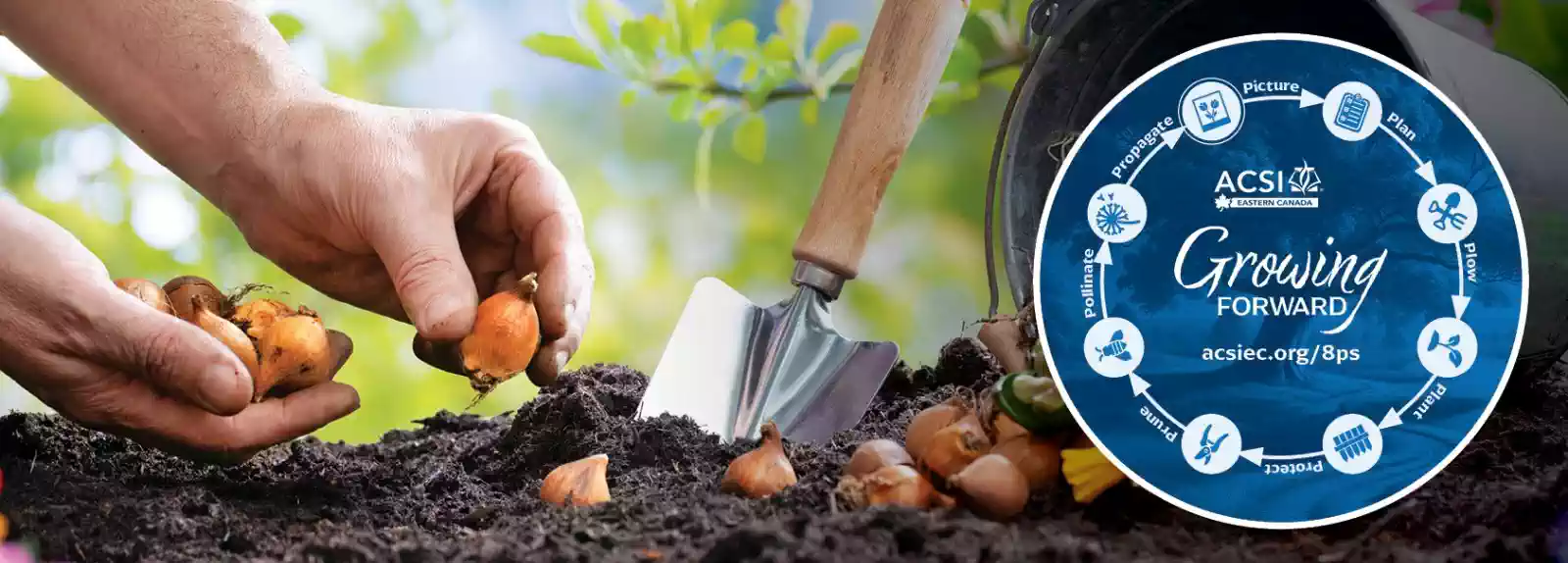
Imagine a garden bursting with vibrant life—a place where careful planning, nurturing, and faith come together to create a flourishing landscape.
That’s the inspiration behind the “8 P’s Model” for Change Management, a unique approach that blends gardening wisdom with faith-based principles—making it especially relevant for Christian schools and its leaders.
Change isn’t just about shifting gears; it’s about purposeful transformation that honours a school’s mission and deeply rooted values. By understanding how individuals and communities journey from one state to another, leaders can ensure every adjustment is meaningful, lasting, and unified.
Through this process, you’ll discover how aligning change with mission fosters collaboration and long-term growth, setting the stage for a new season of flourishing in your school community. Get ready to dig in and explore the eight steps that will help your school grow forward—together.
Leaders need to plan carefully, help staff, teachers and stakeholders adapt, and pay attention to school culture for smooth transitions. There are several models for managing change, like Lewin’s three-step process, Kotter’s 8-Step Model, and the ADKAR Model.
The 8-P Model guides leaders through eight steps—Picture, Plan, Plow, Plant, Protect, Prune, Pollinate, and Propagate—so growth matches the school’s values.
The “Growing Forward” model encourages thoughtful and prayerful progress using these faith-driven and gardening principles. It helps leaders turn vision into real results, nurture a positive culture, and focus on students’ faith and wisdom. All of which means change theory and the 8-P Framework will help Christian schools work together for improvement, involving students, parents, churches, educators, community members, and boards.
1 - Picture: Cast the Vision
Before any seeds are sown, a gardener envisions the flourishing garden, imagining the types of plants, their layout, and the bountiful harvest.
Similarly, this crucial first step for leaders and board members is about prayerfully envisioning the desired future state of the school after the change has successfully taken place. What will it look, feel, and sound like? What is the ideal outcome? This involves articulating a clear, compelling, faith-infused vision for the change, often rooted in biblical concepts of flourishing, impact, and stewardship. This vivid vision, as Proverbs 29:18a reminds us (“Where there is no prophetic vision the people cast off restraint”), is essential to inspire and motivate everyone involved.
2 - Plan
Prepare the Soil
Once the vision is clear, the gardener prepares the physical ground by breaking up hard soil, removing rocks, and enriching the earth.
In the same way, this “P” is about preparing the groundwork for change within the school’s culture. It means prayerfully discerning the need for change, acknowledging existing challenges or opportunities, and cultivating a receptive spiritual and cultural environment among staff, leadership, and the school community. It involves breaking up hardened ground, identifying potential resistance, and ensuring everyone understands the “why” from a faith-based perspective, aligning with Hosea 10:12: “Sow for yourselves righteousness; reap steadfast love; break up your fallow ground, for it is the time to seek the Lord, that he may come and rain righteousness upon you.”
3 - Plow
Design the Garden
With the soil prepared, the gardener designs the garden’s layout, deciding what goes where, how it will be irrigated, and the timing for planting.
For Christian schools, this involves strategic development: clearly defining measurable goals that align with the “Picture” and establishing a detailed, faith-informed implementation strategy. Leaders and board members should consider prayer walks, seek wise counsel from spiritual mentors, and design the change with biblical principles like humility, service, and community in mind, trusting Proverbs 16:3: “Commit your work to the Lord, and your plans will be established.”
4 - Plant: Sow the Seeds
This is the physical act of putting the seeds or young plants into the prepared soil.
In change management, this is the active initiation of the change itself. It involves thoughtfully introducing new policies, programs, or practices—whether it’s rolling out new curriculum, implementing a staff wellness initiative, or adopting innovative teaching methods. This phase must always be accompanied by clear communication, relevant training, and support that emphasizes the spiritual significance of the new approach, embodying the spirit of Galatians 6:9: “And let us not grow weary of doing good, for in due season we will reap, if we do not give up.”
5 - Protect: Guard the Young Shoots
Delicate seedlings require vigilant safeguarding from pests, harsh weather, or being trampled.
Similarly, once new initiatives are planted, they need protection. This means actively monitoring the implementation process, addressing initial challenges, and providing ongoing support and resources. For Christian schools, this might involve offering spiritual encouragement, pastoral care for staff navigating the change, celebrating small victories, and defending the initiative against skepticism or setbacks with grace and perseverance, drawing strength from Nehemiah 4:14 to “Remember the Lord... and fight for your brothers, your sons, your daughters... and your homes.”
6 - Prune
Remove what Hinders
A skilled gardener understands the necessity of cutting away dead or unproductive branches to encourage healthier growth and more fruit.
This “P” is about identifying and removing elements that are no longer serving the vision or are hindering growth. It requires evaluating the change’s effectiveness, making necessary adjustments, and having the courage to let go of old practices that don’t align with the new direction. This tough but essential step, framed in a faith context, becomes an act of discernment, trusting God’s leading for greater fruitfulness, as described in John 15:2: “Every branch in me that does not bear fruit he takes away, and every branch that does bear fruit he prunes, that it may bear more fruit.”
7 - Pollinate: Cross-fertilize Ideas
Pollination is the natural process of transferring pollen to foster reproduction and diversity, leading to stronger, more resilient plants and fruit.
In change management, this means fostering collaboration and cross-pollination of ideas to bring greater vitality. It encourages departmental sharing of best practices, learning from other Christian schools or educational models, and building networks. It’s about integrating diverse perspectives to enrich the overall impact of the change, building up the body in love, as Ephesians 4:16 illustrates: “From whom the whole body, joined and held together by every joint with which it is equipped, when each part is working properly, makes the body grow so that it builds itself up in love.”
8 - Propagate: Multiply and Expand
Finally, a successful gardener takes cuttings or seeds from healthy, thriving plants to start new ones elsewhere, expanding the garden’s reach.
This “P” is all about taking what’s working well and helping it spread. Once the change has taken root and is bearing fruit, it’s time to replicate successes, share lessons learned, and empower others to adopt similar positive transformations. For Christian schools, this means documenting successful initiatives, creating resources and training materials (like the “Growing Forward” series!), and intentionally disseminating effective practices to other classrooms, departments, or even other schools within the faith-based community, fulfilling the vision of 2 Timothy 2:2 to “entrust to faithful men who will be able to teach others also.”
CONCLUSION
To every leader, principal, and board member entrusted with the sacred calling of Christian education, let this 8-P Framework be more than just a model—let it be an invitation. An invitation not to shrink back from the challenges of change, but to embrace the process with courage, conviction, and a deep-seated faith in God’s guiding hand. Change, though often uncomfortable, is the very pathway to growth and greater fruitfulness.
Don’t be afraid of the process. Just as a gardener trusts the cycles of nature, we are called to trust in the sovereignty of God, who “makes everything beautiful in its time” (Ecclesiastes 3:11). The hard work of plowing, the meticulousness of planning, the patience in protecting, and even the difficult decisions in pruning are all acts of faith. They are steps toward realizing the vibrant “Picture” God has placed in your heart for your school.
In summary the 8P Model offers a faith-driven framework for strategic planning and change management that helps you achieve your purpose and mission as a school.